Sculpted by the north wind and placid in the south, Menorca is hemmed in by coves, fine sandy beaches and clear waters and, unlike other islands in Spain, has managed to preserve a wealth of flora and fauna that has earned it UNESCO Biosphere Reserve status. In addition, the seaside towns and inland villages combine Menorcan relaxation with a wide range of entertainment. Not to mention the pleasures of the table: a voyage of discovery in Menorca is an exhilarating experience for all five senses.
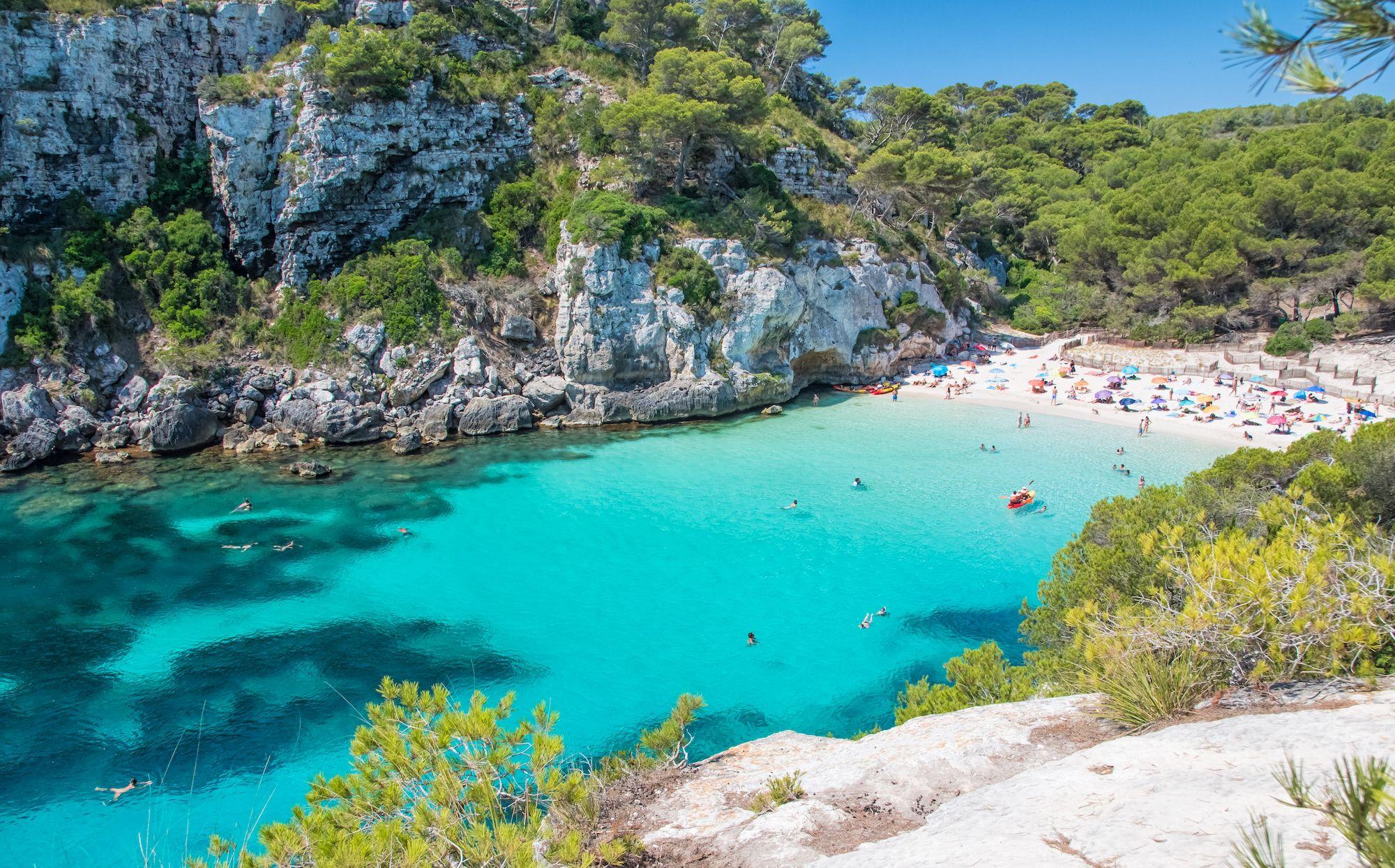
Cala Macarelleta ©Jacinto Marabel Romo/Shutterstock
Menorca, what to visit: at a relaxed pace in the Balearic Islands
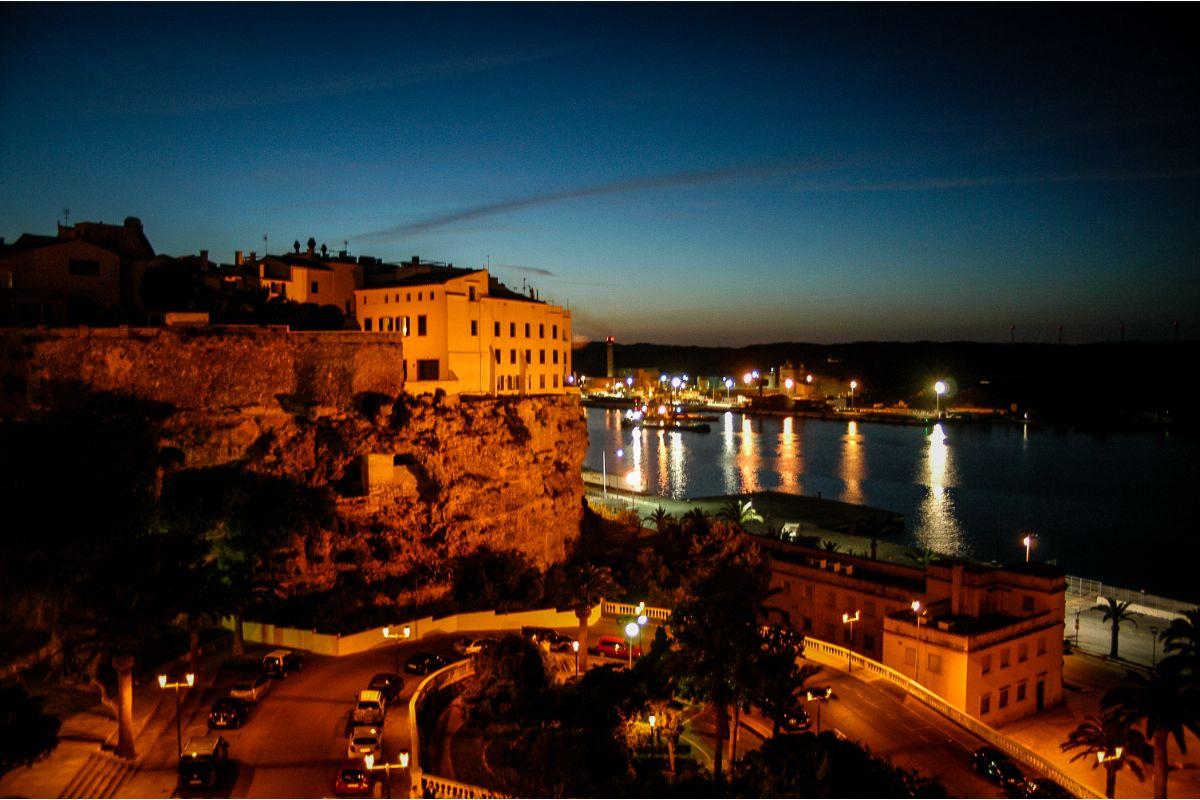
Your discovery of Menorca will most probably start from Maó, the island's capital since the British rule (18th century) and main port of call. Regardless of your choice of how to get to Menorca, whether by plane or by sea from Barcelona or one of the Balearic Islands, you will arrive near this small town, fascinating for its mix of British style and Mediterranean atmosphere. The British influence is evident in the architecture of the old town, now largely pedestrianised, full of shops, bars and other businesses. Outside the centre, on the other hand, the Fortaleza de La Mola, a masterpiece of military architecture transformed into a cultural space and a tourist destination with a tour route punctuated by beautiful views, is well worth a visit: from here you will enjoy the best view of the port of Maó and the city.
Maó is the base for exploring the eastern part of the island, which holds an authentic jewel for those seeking contact with nature: the Parc Natural S'Albufera des Grau, a UNESCO Biosphere Reserve, which protects an extraordinarily rich flora and is the ideal habitat for many species of water birds and birds of prey.
Travellers with the spirit of Indiana Jones will be won over by Menorca's incredible archaeological heritage. You can explore prehistoric citadels and sites with structures such as the talayot (a kind of prehistoric dry-stone watchtower), the taula (two stones stacked to form a T) and the naveta (trapezoidal chamber tomb). In addition to the ancient settlements that dot it, thehinterland will captivate you thanks to its villages, which have managed to keep their ancestral charm alive while developing an outstanding cultural and tourist offer.
Lastly, the extreme western tip of the island is dominated by the vitality of Ciutadella, which under the British occupation saw the proliferation of sumptuous noble palaces, erected by the local aristocracy to symbolise the power and resistance of the Menorcan people. The stately homes will pass you by as you stroll through the city centre, where you will also find the island's most emblematic religious building: the Gothic-style Catedral de Santa Maria, a witness to the turbulent events of Menorca's history.

Port of Ciutadella ©lunamarina/Shutterstock
Menorca's coastline: beaches and the Camí de Cavalls
The seaside destination par excellence in Menorca is its south coast, which alternates between fine sandy beaches, built-up coves and almost deserted virgin coves, lapped by a transparent sea, ideal for diving. An iconic image of the island are Cala Mac arella and Cala Macarelleta, two almost identical coves protected by high cliffs. In general, the beaches on the south coast are ideal for families, who will find places like Punta Prima, an expanse of white sand lapped by turquoise waters, easily accessible and well-equipped, or the touristy Son Bou, with sun loungers, umbrellas and a special feature: the remains of an early Christian basilica (5th century) at the eastern end.
Cala en Porter is the refuge of those who love the good life: a cove of great natural beauty, it has cliffs protecting the Cova d'en Xoroi, the famous club set in a natural grotto and with an amazing view of the sea; it is a simple bar during the day and a lively discotheque on summer nights.
Those in search of less frequented beaches can turn to the north coast, where jewels such as Cala Pregonda are hidden. This is one of the island's least frequented bays because it is only accessible on foot or by sea: just 200 m long, it is horseshoe-shaped, its colour variety verges on perfection and it is protected by a series of islets that outline its western profile. Another good alternative for discovering less-travelled beaches and combining beach life and hiking is to follow the Camí de Cavalls, a 185 km-long path that runs along the entire coast of Menorca. It can be followed in its entirety or in individual stages (there are 20 in all, with distances ranging from a minimum of 6 km to a maximum of 13.6 km), on foot or by bicycle - even on horseback, if desired. The Camí, in addition to offering scenic views of rare beauty, allows you to reach beaches, forests, promontories and cliffs that would otherwise be inaccessible.

Menorca, beaches: Cala Pregonda ©Anibal Trejo/Shutterstock
Food and shopping: what to eat and what to buy in Menorca
Gourmet travellers should plan a stop in Fornells, a village on the north coast, to sample the birthplace of Menorca's most famous dish: caldereta de langosta, or lobster soup, which takes its name from the clay pot(caldera) in which it is cooked. The recipe is relatively easy, but a properly prepared caldereta requires that it be left to rest for a whole day, just long enough for the flavours to blend well.
And if you are not a fan of fish and seafood, what do you eat in Menorca? Don't worry, the popular cuisine, which makes the best use of km0 and seasonal ingredients, caters for everyone. Carnivores will have something to lick their chops: veal from the indigenous Vermella Menorquina breed is the basis of delicious and tasty recipes. On the other hand, the island's pigs produce one of the best-known specialities of the Balearic Islands: sobrasada, a raw sausage that owes its peculiar flavour and colour to the addition of pimentón, or paprika, whether sweet or spicy. On the dairy front, the queso de Maó, a cow's milk cheese handmade according to a very old recipe, is typical of Menorca: it is sold in all grocery shops, but the best is found in the markets.
Accompany it with one of the wines recognised with thePGI 'Vi de la Terra Illa de Menorca', established in 2002, and you have a culinary experience as satisfying as it is 100 per cent Menorcan. You can also stock up on bottles of wine by touring the island from cellar to cellar.
But leave some room in your suitcase for Menorca's most iconic 'souvenir': avarcas, the Mediterranean sandal par excellence. Originally work shoes, used in the countryside and made with a sole made from an old tyre and calfskin for the upper part, today they are light and elegant shoes thanks to the flair of Spanish craftsmen who have introduced new designs and materials. When you buy a pair, check that they carry the 'Avarca de Menorca' label, certifying their quality and origin, so you'll have your feet in Menorca even when you return to Italy!
Sign up for our newsletter! For you weekly travel tips, special offers, stories from around the world and 30% discount on your first order.
Read also:

Related articles
These tips will make your holiday in Menorca perfect
What to do in Menorca? 65 must-see activities and visits

Menorca for hiking fans: On the way on the Camí de Cavalls
Visiting Menorca, 21 things you need to know before leaving
Mahon Minorca, the 25 must-see visits and activities
The starry sky above the Canary Islands
Santorini: what to see, beaches, places