The beauty of the Balearic Islands goes beyond sun-drenched summers and beaches lapped by the Mediterranean: the months when the influx of tourists does not peak (July and August) reveal an unexpected and much quieter side of the Spanish archipelago. Now that the high season has come to an end, we offer you a list of ideas for visiting the Balearic Islands in the low season and enjoying your destination even more.
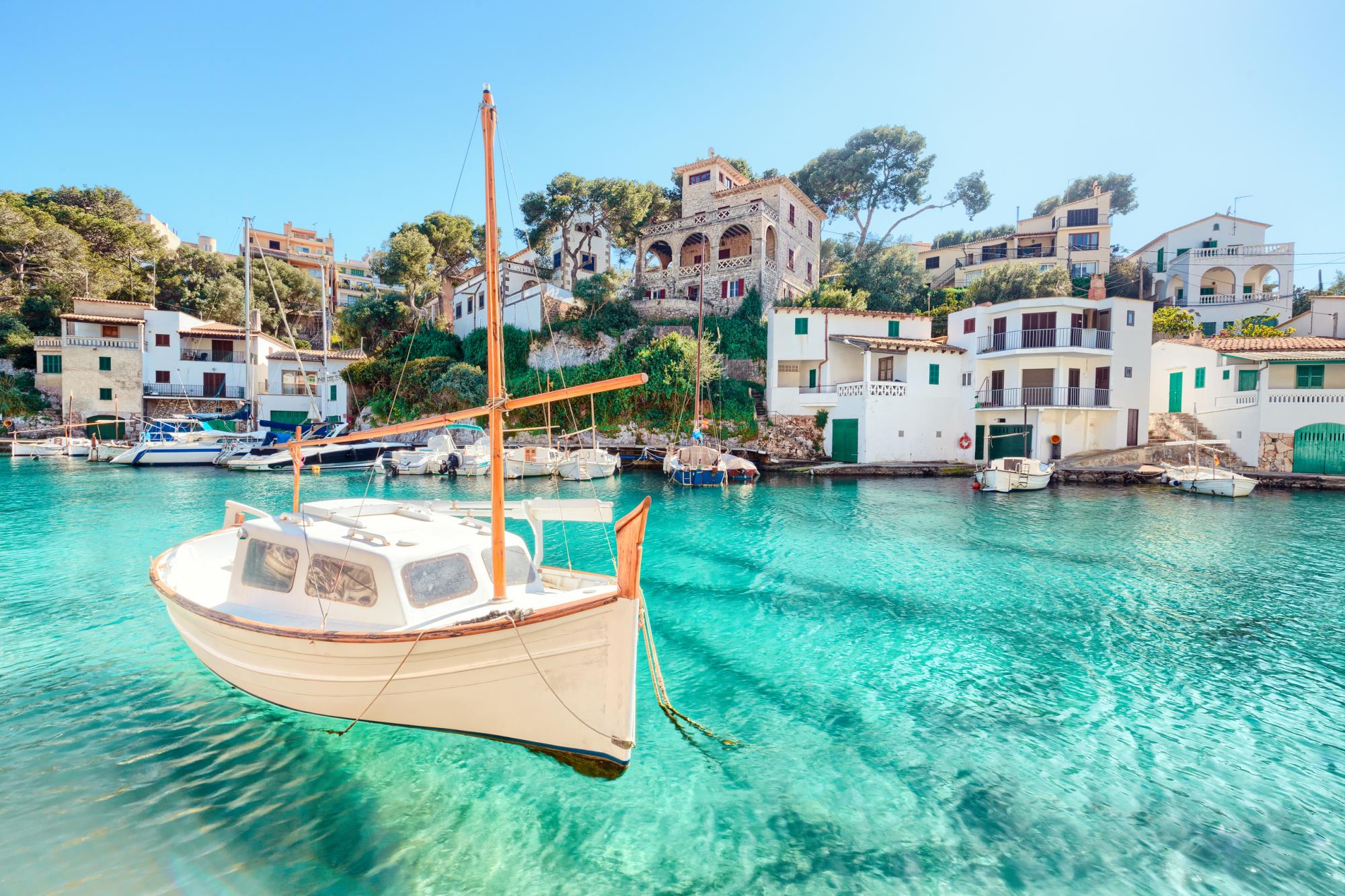
The beautiful crystal-clear waters of Cala Figuera in Mallorca, Spain © pixelliebe / Getty
Spring and autumn are the best seasons for bird watching, the changing colours of the landscape and bike rides past lonely lighthouses and villages with white buildings. Winter offers a wonderful pink spectacle with almond blossom. Throughout the year, you can sip sparkling wines produced on the islands, feast on fresh fish, stroll through ancient streets, visit modern art galleries and much more.
In recent years, the archipelago has developed long-term strategic plans to transform tourism into a more sustainable and less seasonal industry. In 2016, the Balearic Islands became the second region in Spain to introduce a sustainable tourist tax (ITS; currently up to €4 per night). Revenues have (so far) been earmarked for 46 local environmental protection projects, from the restoration of isolated mountain huts to the protection of the underwater posidonia forest. In early 2022, the Balearic Islands announced their intention to become the world's first 'circular destination', requiring all tourism activities to take measures to protect both the environment and workers' rights.
Cultural treks in the Balearic Islands
The thousand faces of the Balearic Islands are a paradise for lovers of trekking and cultural walks. The archipelago offers trails that climb over cliffs, pass through silent olive groves or touch on beautiful historical sites. The best months to enjoy hiking are from March to May, September and October.
The Ruta de Pedra en Sec (GR221) in Majorca penetrates the wild, UNESCO-protected Serra de Tramuntana along restored medieval stone paths that make even a short walk exciting. The trail stretches 91.7 km between Port d'Andratx and Port de Pollença and combines breathtaking views, artistic villages, mountainous landscapes and numerous mountain huts and small rustic hotels where you can stay. A further 80.3 km of signposted routes branch off from the Ruta and another 128 km are currently being developed.
In peaceful Menorca, the old Ruta Camí de Cavalls (GR223) traces its roots back to the 14th century and, thanks to renovation work, is now a 185 km-long hiking and biking loop that takes in stretches along the coast and down to turquoise bays and shimmering lagoons.
In Ibiza, admire spectacular beaches as you walk past centuries-old watchtowers, such as the 16th-century Torre de Ses Portes in the south-east. The laid-back Formentera boasts some 30 official Rutas Verdes , which pass through disused salt pans, whitewashed villages, fortified churches and dreamy sandy beaches.
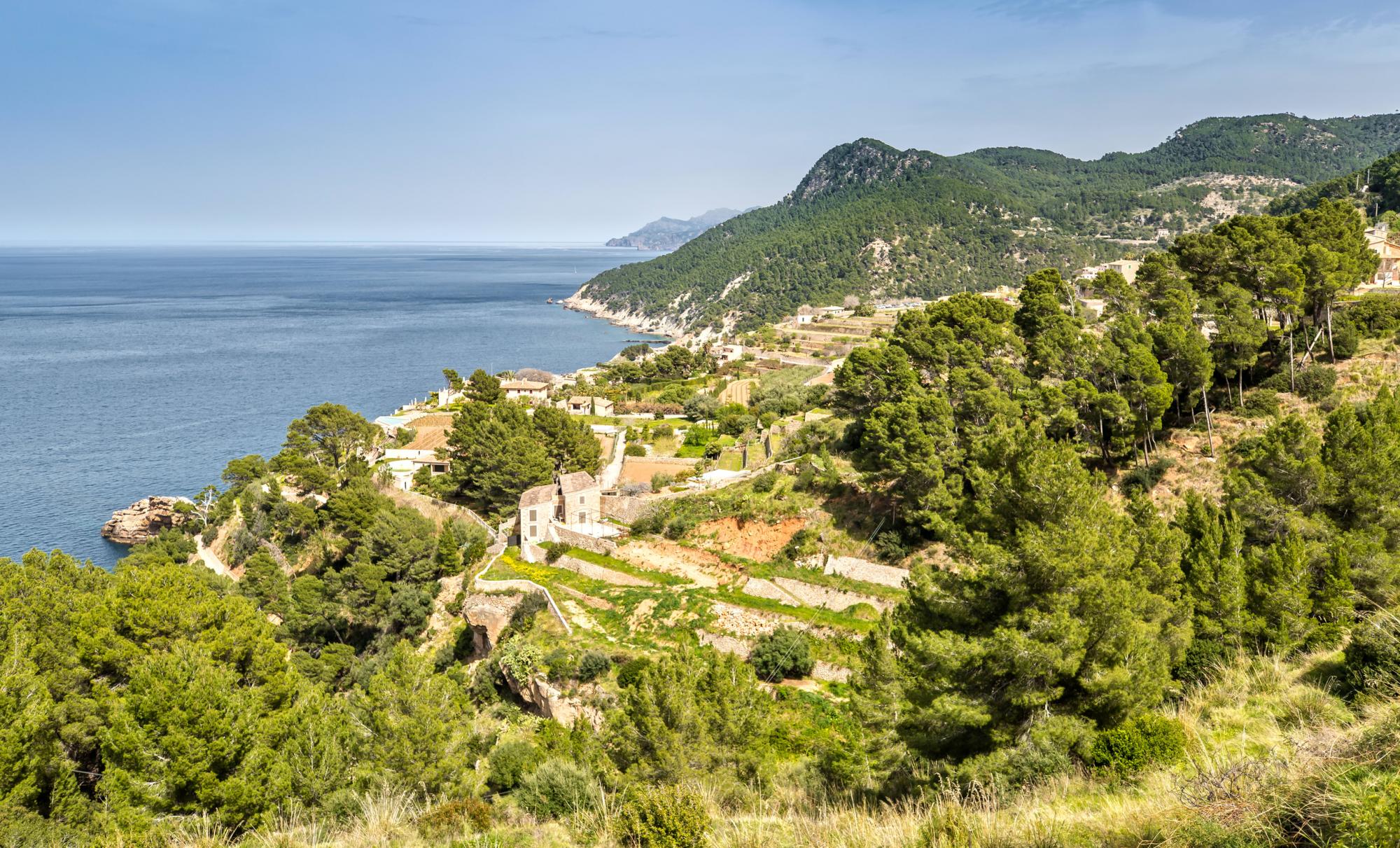
Majorca's vineyards © Susanne Pommer / Alamy Archive photo
The best wines of the Balearic Islands
The wine heritage of the Balearic Islands dates back to Roman times and displays a unique personality, influenced by the presence of the Mediterranean. With two protected Denominaciones de Origen (DO), Mallorca is the best known in the archipelago, although wine production is growing on all four islands. The stars are the unmistakable local grapes, such as Monastrell and Malvasia, often saved from disappearing and harvested by hand. Many vineyards are organic and family-owned.
Among the wineries, we recommend Can Rich in Ibiza (organic, also produces olive oil), Binifadet in Menorca (committed to reviving indigenous grapes), Terramoll in Formentera (also certified organic) and Bodega Can Majoral and Celler Tianna Negre in Mallorca (pioneers of organic vines). September, when the grape harvest is in full swing, is a wonderful month to visit the islands. Several towns organise wine festivals in the autumn, including Binissalem (Majorca) and Sant Mateu d'Aubarca (Ibiza).
A dream stay in a sustainable rural oasis
Hidden agroturismes are a pearl of the Balearic Islands. They are usually old farmhouses that have been renovated into intimate, sustainable hotels (many are powered by renewable energy), where you can enjoy organic meals and immerse yourself in unspoilt nature. Some agrotourismes produce olive oil, honey and/or grow vegetables, others are both winery and tourist accommodation. There are options to suit all budgets, from the remote Agroturisme Son Vives in the north of Menorca, which produces artisanal cheeses and breeds Menorcan horses, to the luxurious Can Lluc in Ibiza, a pioneering solar-powered oasis on a 300-year-old farm.
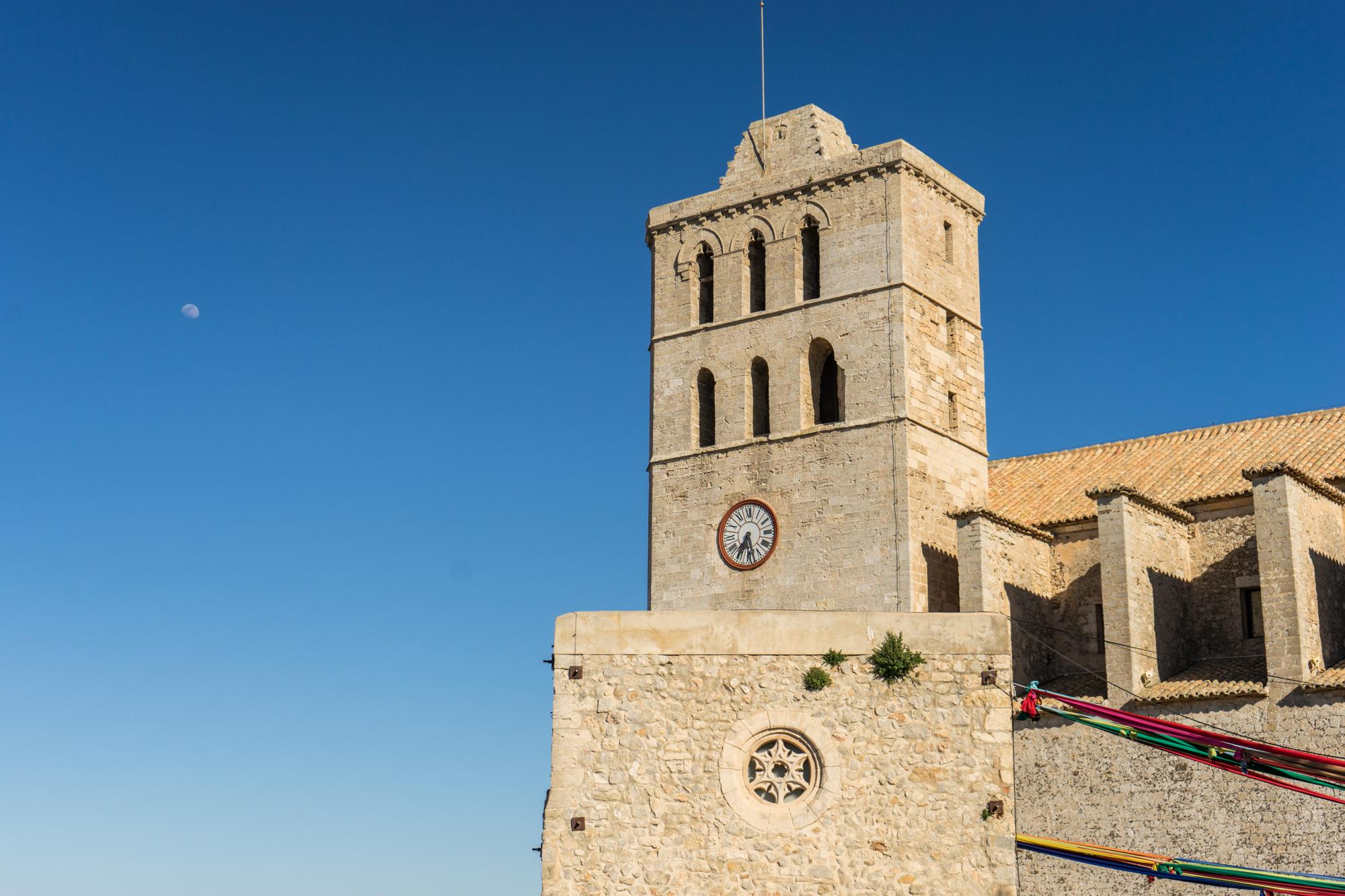
The Catedral de Santa Maria de les Neus in Ibiza © Bartu Juan/Shutterstock
The cultural cities of the Balearic Islands
The three capital cities of the islands, Palma de Mallorca, Eivissa and Maó, are fabulous urban destinations to escape to in any season and where there is a lively buzz among intriguing historical corners, art galleries, luxury shops and typical restaurants. The number of boutique hotels has increased considerably in recent years, especially in Palma, where one can admire the Gothic beauty of La Seu (which Antoni Gaudí and Miquel Barceló also got their hands on), the largest collection of contemporary art in the Balearic Islands at Es Baluard, the Fundació Pilar i Joan Miró and the artistic coast of Santa Catalina.
With its fresh produce market, British-influenced old town and a series of museums (including the Hauser & Wirth Menorca gallery opening in 2021), Maó offers a restful break with a touch of history. Dalt Vila is the UNESCO World Heritage-listed historic centre of Eivissa. Out of season, it is a completely different face of Ibiza: just wander through its streets full of old buildings or in the more modern area to realise this.
Discovering the Balearic Islands' only national park
19 rugged, uninhabited islets off the south of Majorca make up the 100 square kilometres of the Parc Nacional Marítim-Terrestre de l'Arxipèlag de Cabrera, the only national park in the Balearic Islands, established in 1991. Ten types of lizards inhabit it along with countless different species of birds (Queen's hawks, ospreys, Balearic shearwaters) and over 160 marine plants. Opportunities for diving, trekking and birdwatching are at their best here. Visitors can only access the island of Cabrera, with a maximum of 200 people per day. The island can be reached by boat from Colònia de Sant Jordi from Easter to October. By booking in advance, up to 12 people can stay overnight at the refuges inside the park.
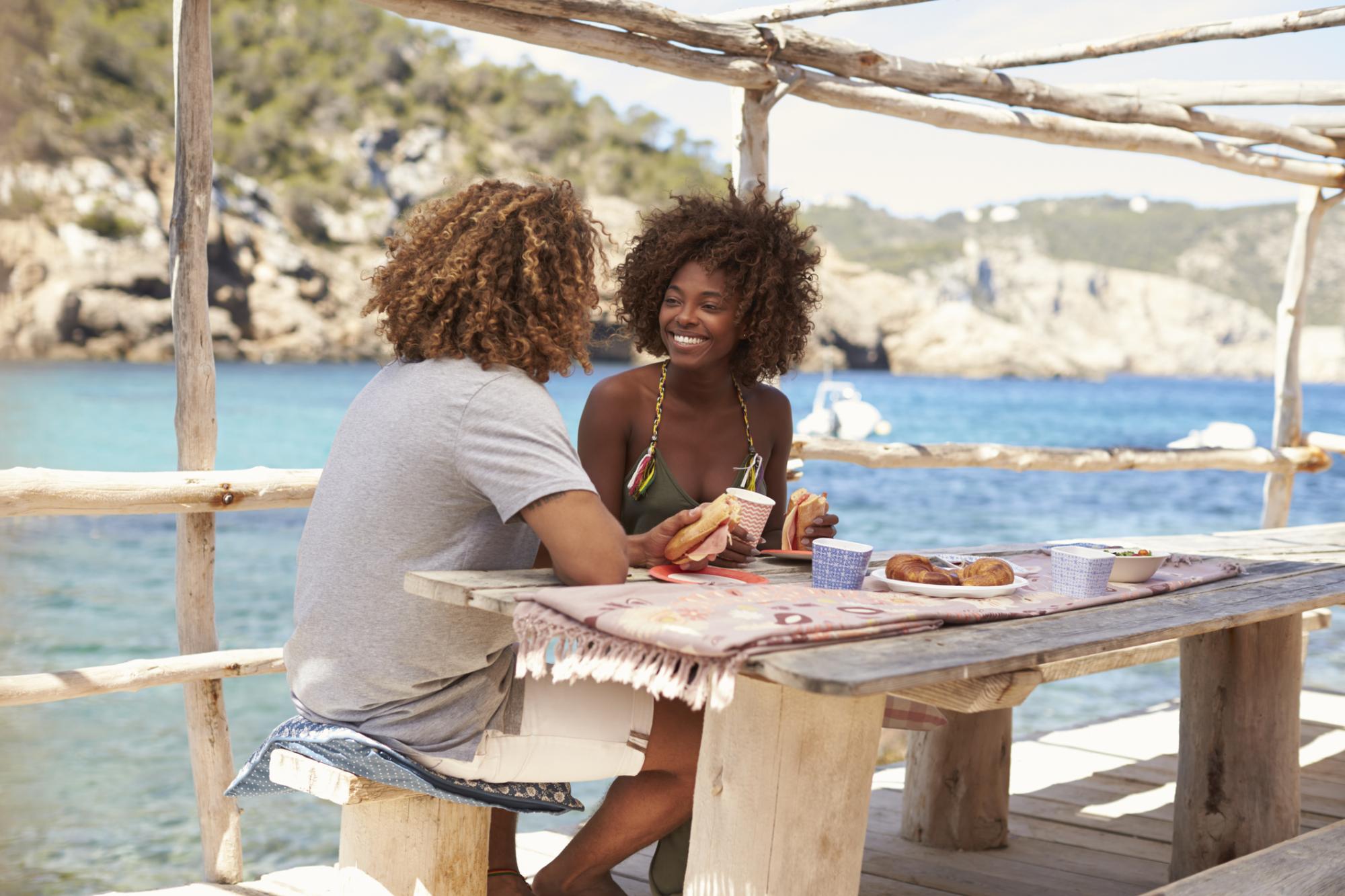
A couple have lunch on the coast of Ibiza © monkeybusinessimages / Getty Images
Sign up for our newsletter! For you every week travel tips, special offers, stories from the world and 30% discount on your first order.
Typical Balearic dishes
Balearic cuisine is rooted in a slow-food ethos that celebrates traditional recipes, local producers and the freshest regional ingredients. Sugar-dusted ensaïmades , paprika-spiced sobrassada , steaming fish stews, smoked Mahón cheese, arrossos (rice dishes) over the top, grilled fish and lots of creative innovation. Always pay a visit to the local markets, be it a few farmers' stalls or Palma's 1950s Mercat de l'Olivar with its lively tapas bars. Away from the resort areas, many restaurants are open all year round, especially those located in the larger towns and cities that can rely on the trusted local clientele.
The roots and history of the Balearic Islands
Inhabited over the centuries by Phoenicians, Romans and Moors, each island boasts its own historical riches. The fascinating Dalt Vila in Eivissa is one of the oldest settlements in Europe, founded by the Phoenicians in 654 B.C. after landing in nearby Sa Caleta (which will soon inaugurate a brand new museum still under construction). Also typical of Ibiza and Formentera are the sparkling salt pans, in use since the Phoenician era.
In Menorca and Majorca, the mysterious monuments of the Talayotic civilisation leave you speechless: they are Bronze Age creations (burial mounds, places of worship) that only exist here. You can then follow in the footsteps of George Sand and Frédéric Chopin, who praised the Cartoixa de Valldemossa in Mallorca, jump on the 1912 Palma-Sóller narrow-gauge train, wander around the fortified churches and hidden squares, immerse yourself in the old capital of Menorca, the Ciutadella, and much more.
The best beaches in the Balearic Islands
You don't need a 30-degree summer day to discover the delightful pebble coves and beaches of fine white sand. Brave souls dive all year round, while the slightly less valiant jump in as early as April or May. In September, when the sea is still warm and the crowds dwindle, it is at its best. Aigües Blanques (Ibiza), Cala Pregonda (Menorca) and Es Caló (Formentera) are the best beaches in the Balearic Islands, along with Platja des Coll Baix and the stretches of sand north of Cala Ratjada in Majorca.
Diving to admire the posidonia
The crystal-clear, electric blue waters of the Balearic Islands hide a secret: a forest of oceanic posidonia covers the Mediterranean seabed. This 650 square kilometre underwater forest produces oxygen, prevents storms and coastal erosion and is proudly protected by the Save Posidonia project launched in 2017. The best place to admire it is the shallow stretch of sea between Ibiza and Formentera, in the heart of the UNESCO-protected, bird-filled Parc Natural de Ses Salines, by booking a snorkelling or diving experience with Scuba Ibiza.
Almond blossom in the Balearic Islands
Spain is one of the world's leading almond tree-growing countries and on the islands the millions of trees blossom into a beautiful pink blossom every January/February. The most rewarding pink vistas can be found near Santa Agnés de Corona, in the north of Ibiza, and in the interior of Majorca, particularly near the pretty villages of Serra de Tramuntana, Valldemossa, Deià and Sóller.
Handicrafts in the Balearic Islands
The Balearic Islands boast a long tradition of handicrafts for a wide variety of products, from woven palm baskets to hand-painted ceramics, from olive oil and spiced salts to herbal liqueurs and leather shoes (a legacy of the Moorish era). Local markets are the ideal place to buy typical Balearic handicrafts and many have opened the doors of their workshops and organise in-depth tours. In Ibiza and Formentera, adlib fashion is the star of the hippie markets, such as the one in Las Dalias di Sant Carles, in operation since the 1980s.