Zanzibar is a destination with timeless appeal, a wonderful island with white beaches and turquoise waters. In Stone Town, the capital, African, Indian, Arab and Persian influences mix to create a unique cultural scene. If this is your first time on Tanzania's most famous island, here are some tips for visiting Zanzibar.
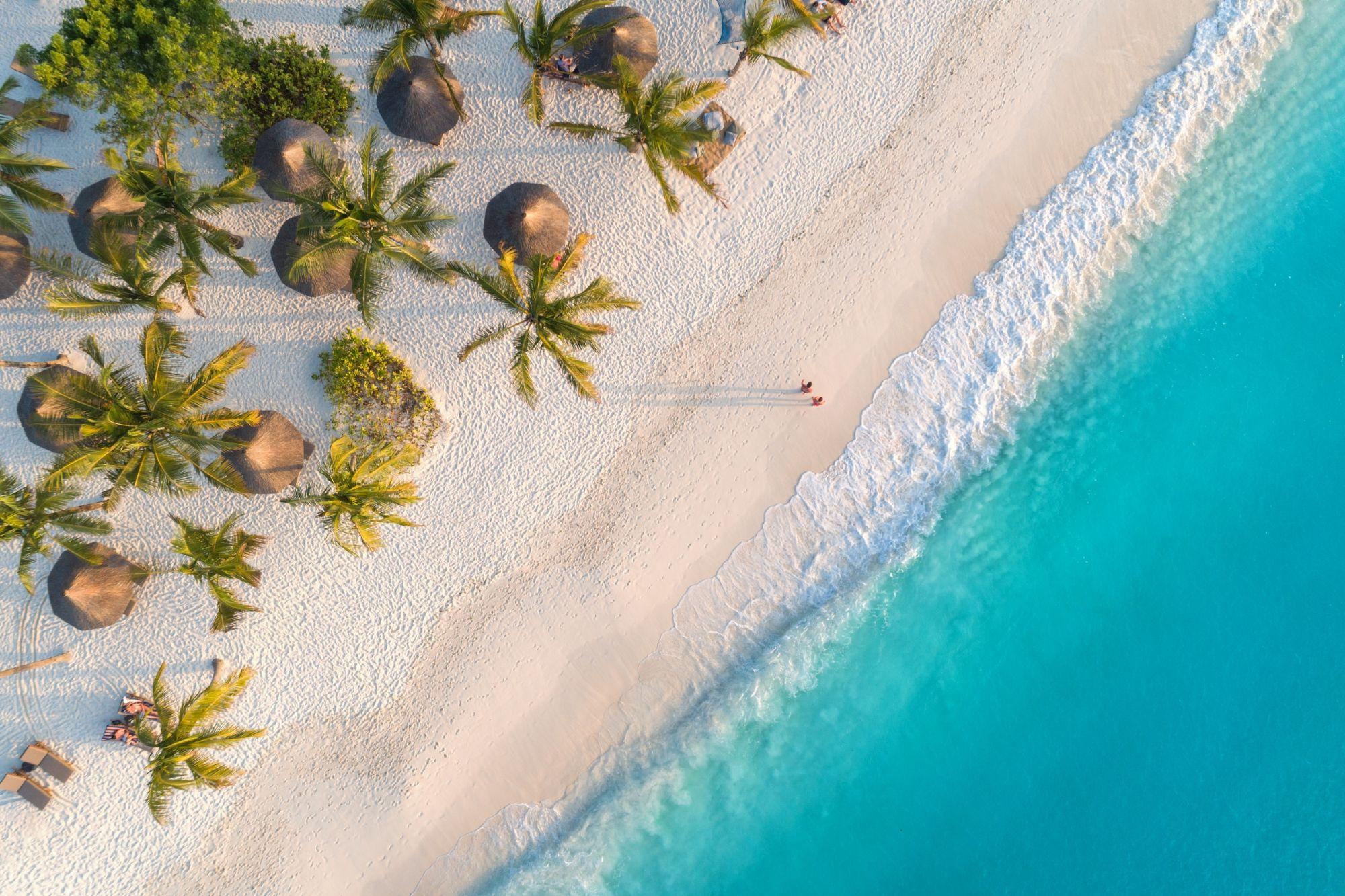
The coast of Zanzibar, a postcard-perfect tropical gem © Den-Belitsky / Getty Images
1. Beaches
There is a reason why thebeaches of Zanzibar areso famous. Imagine a landscape of turquoise waters lapping against white sand, a sea breeze blowing through palm fronds and on the horizon, an elderberry tree sailing towards a pastel-hued sunrise. If you are looking for a tropical paradise to relax after a safari or from life in general, choose Zanzibar, especially the beaches in the east and around the northern tip.
Each beach has its own personality. Paje is a kitesurfing destination. Matemwe has a more relaxed atmosphere, fine sand and small villages overlooking the beach. Nungwi, in the north, is where tradition and modernity collide: fishing boats and artisans versus hotels and western-style parties. In Kendwa one finds the bustle of Nungwi but less concentrated; at this beach one can bathe at night and during the day. Pongwe is more isolated, perfect for escaping the crowds. In Jambiani you will see incredibly turquoise waters and sun-baked houses, as well as discover how the locals live.
All the beaches can be reached by car from Stone Town in one or two hours at the most. Private minibuses or public vans from there are convenient and cheap. A well-thought-out idea is to stay close to one of the beaches and visit Stone Town in several day trips.
2. Stone Town
Zanzibar is the largest settlement on the island and Stone Town is the oldest and most historic part, the heart and soul of the city. It is here that you can immerse yourself in the authentic rhythms of the island. Start at the Forodhani Gardens, where citizens of all ages gather to enjoy the sun as it sets over the sea. Boys jump into the water from the harbour walls, children play and women wrapped in bui-bui (black shawls) meet to chat. Street vendors offer skewers of grilled octopus(pweza), steaming bowls of soup(urojo) and hot bread made from rice flour(mkate wa kumimina).
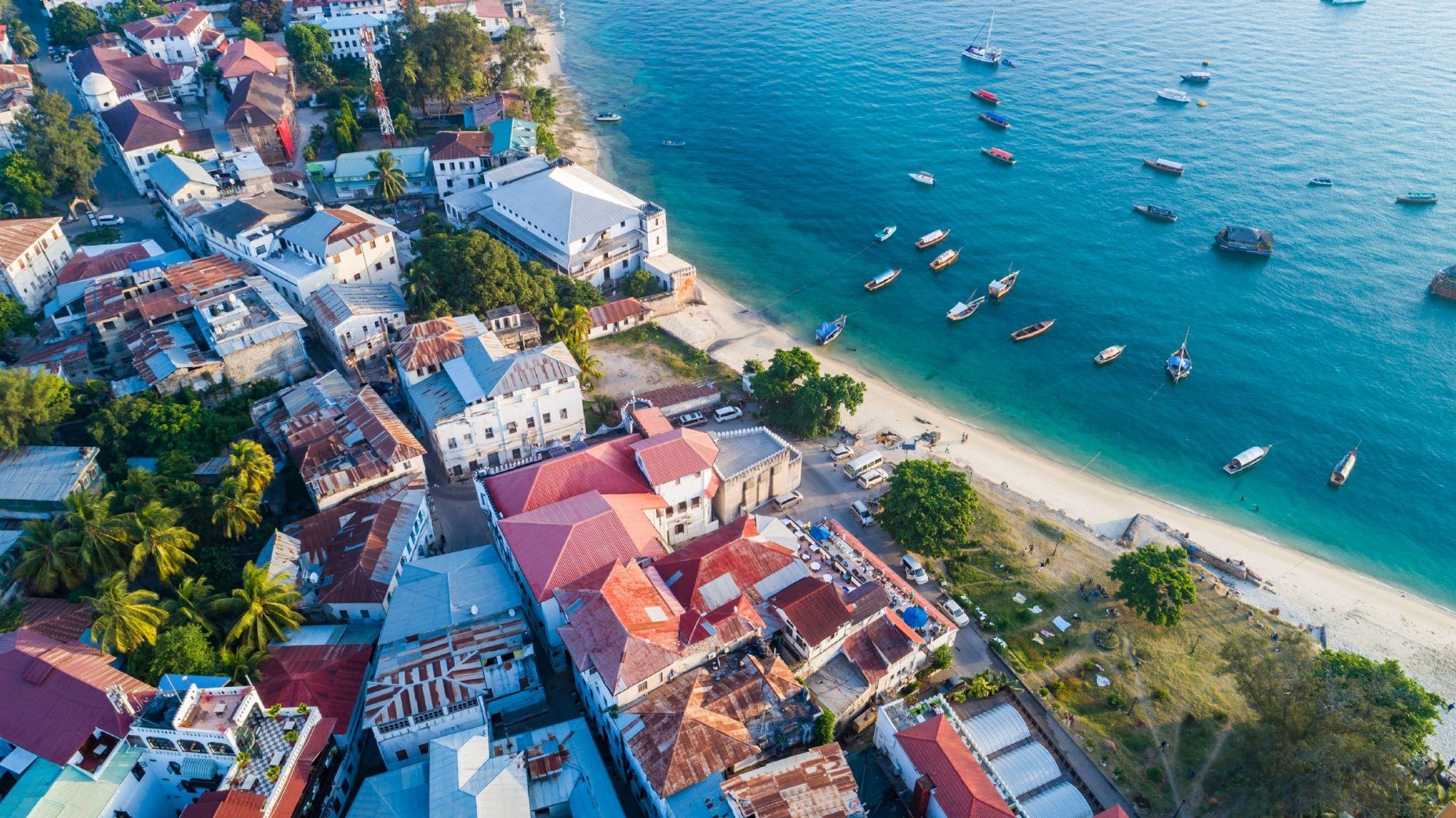
Stone Town, the old part of Zanzibar © MariusLtu / Getty Images
Behind the gardens is the Arab fort of Stone Town, built in 1698 by the Arabs of the Sultanate of Oman to protect the island from Portuguese attacks. It is surrounded by various buildings, including the Palace of Wonders, with its beautiful carved doors, believed by many to be the largest in East Africa. From here, venture into the maze of narrow streets of Stone Town, stopping to visit the Palace Museum, a museum that traces the history of the Sultanate of Oman in the 19th century. Also don't miss the Aga Khan and Ijumaa mosques, the Hamamni Persian Baths (the first to open in the city) and the Anglican Cathedral of Christ, with its slavery monument and museum tracing the history of the slave trade, the East Africa Slave Trade Exhibit. Finish the tour at the Darajani Market, where a colourful assortment of textiles, fruit, plastic goods and more are sold. Along the way you will also find many small shops full of curious onlookers, attracted by the scent of cloves, cinnamon and other spices.
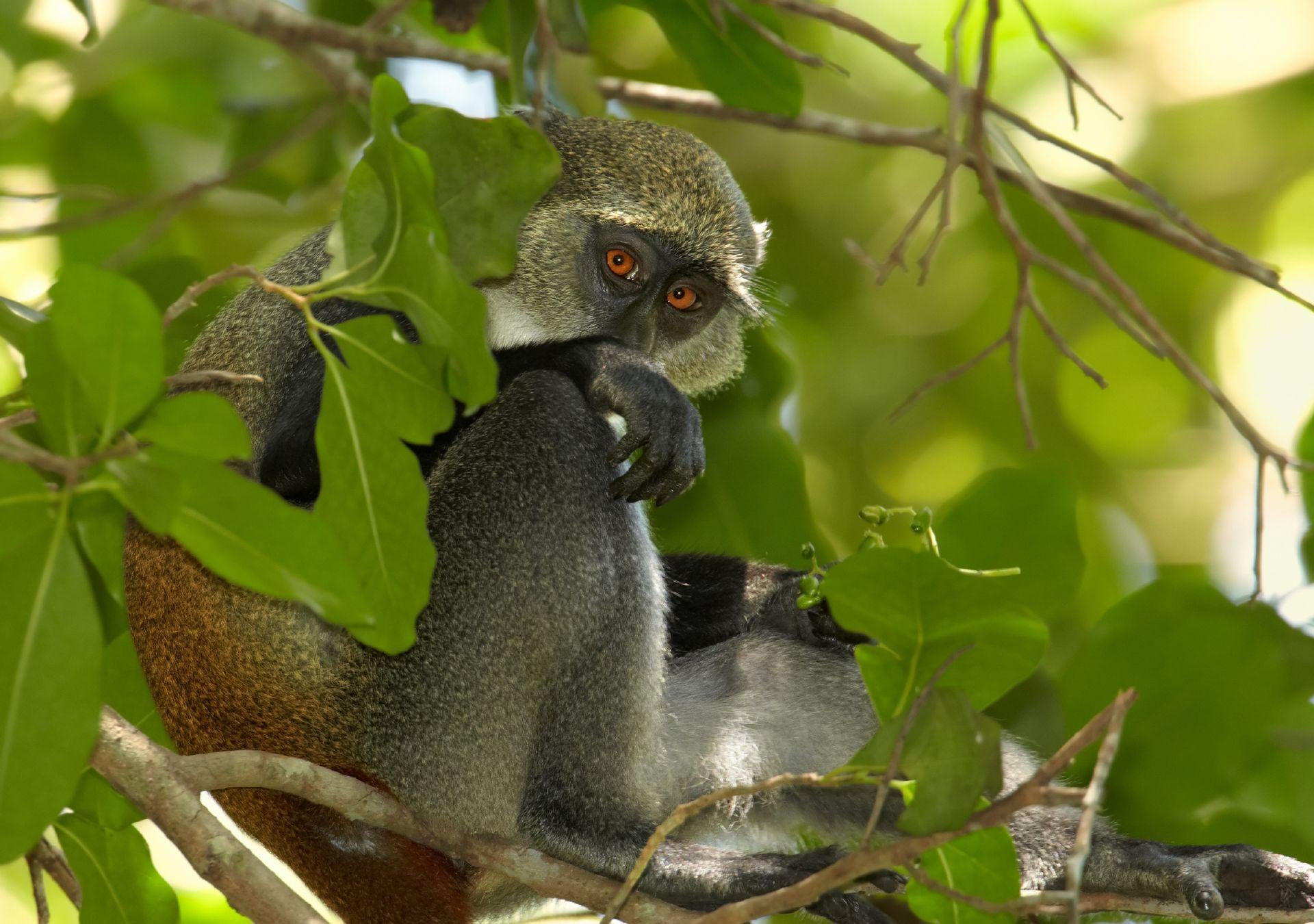
Jozani Chwaka Bay National Park is home to many different species of monkey © Martin Mecnarowski / Shutterstock
3. Jozani Chwaka Bay National Park
Jozani is the largest area of indigenous forest on Zanzibar, what remains of the vegetation that once covered almost the entire island; it is famous for the red colobus, endangered monkeys that are only found on this island. Other species of monkeys also live in the forest, along with galagids, dik dik antelopes and over 40 species of birds. Reserve a couple of hours to walk through the forest and immerse yourself in nature.
Sign up for our newsletter! For you weekly travel tips, special offers, stories from the world and 30% discount on your first order.
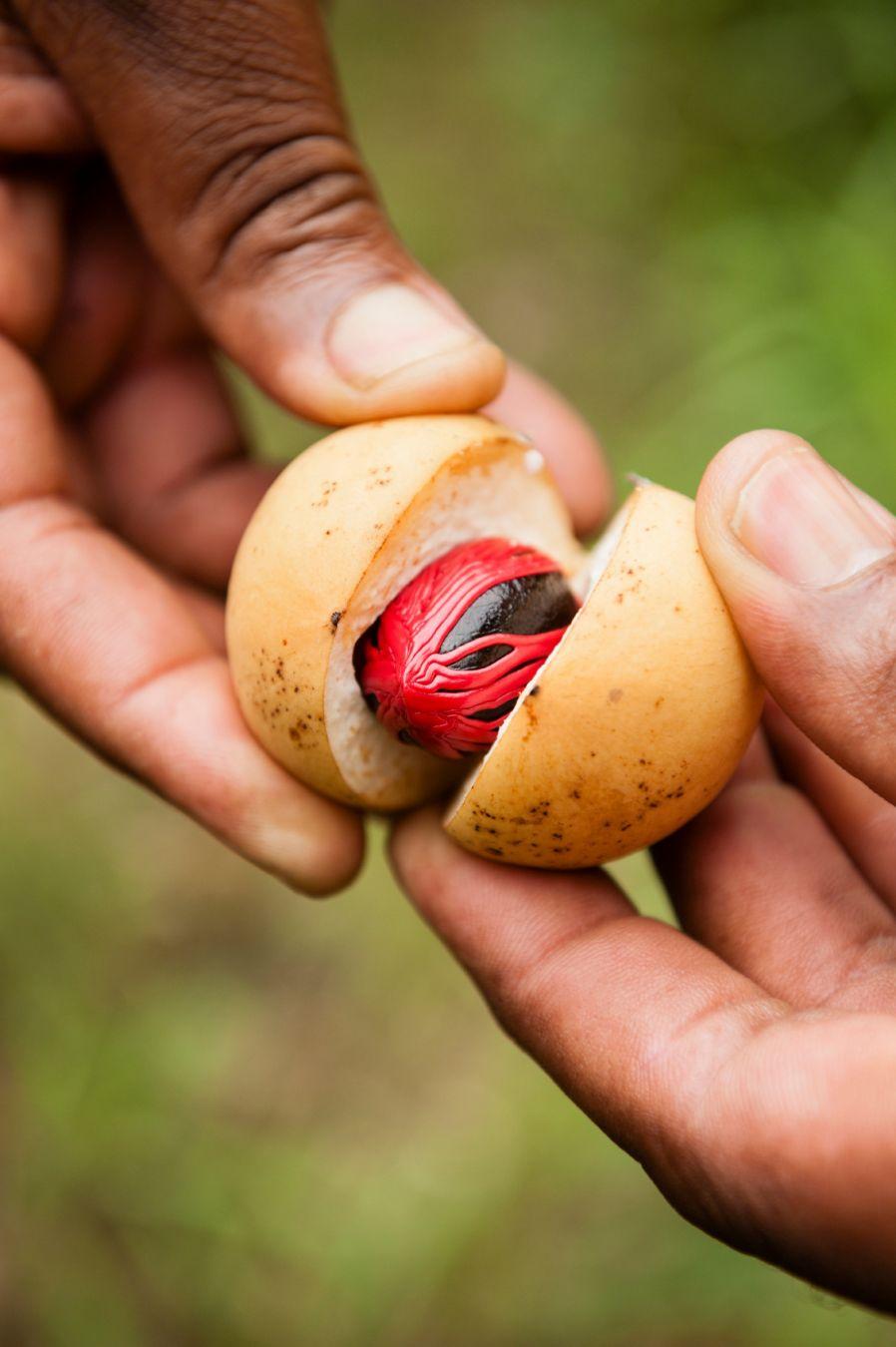
Nutmeg is one of the typical spices of Zanzibar Island ©Justin Foulkes/Lonely Planet
4. Spice tour
Spices were once the backbone of Zanzibar's economy, but there are still many plantations in the centre of the island that can be visited. You can see and smell many spices, herbs and fruits typical of the island: cinnamon, cloves, vanilla, nutmeg, jackfruit, lemongrass, etc. Many hotels and local travel agencies organise guided tours with lunch included. Some tours also include visits to local schools or villages.
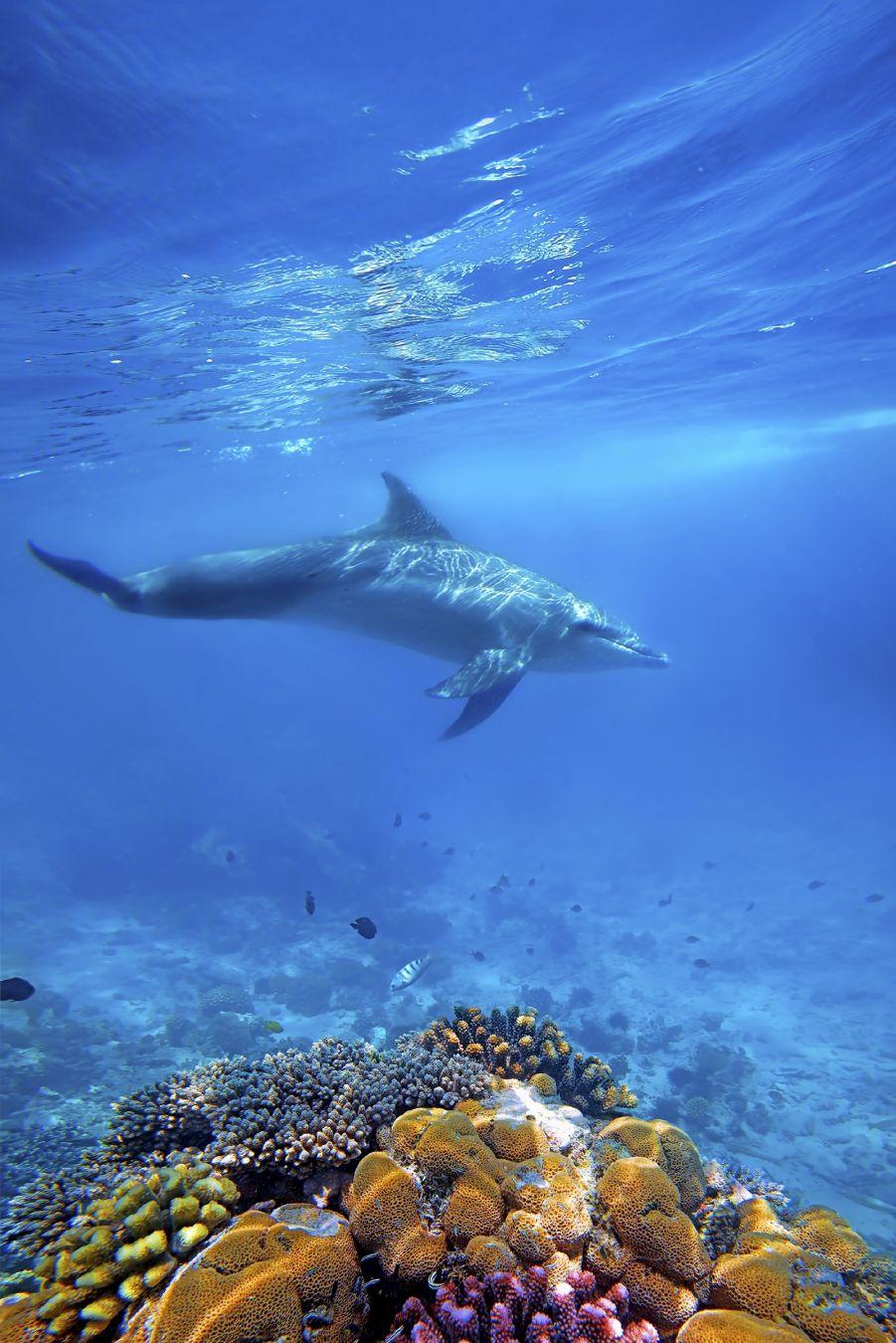
Dive into the waters of Zanzibar amidst coral and dolphins © kjorgen / Getty Images
5. Snorkelling
The waters off the north-east coast are the perfect spot for snorkelling and scuba diving, among coral reefs and multitudes of fish. We also recommend the waters off Stone Town, among soft and hard corals, and wrecks. There is a dive centre at almost every popular beach, including Nungwi, Kendwa, Matemwe and Paje. Visibility is very good and temperatures hover around 27°C.
What are you waiting for?
Flights to Zanzibar from Dar es Salaam are frequent and fast: they take about 30 minutes and cost between 40 and 70 euros one way. You can also travel from the mainland to the archipelago by ferry, which takes about two hours and costs about €30 one way. Once you arrive, you will have to deal with some bureaucracy. It is also a good idea to use the taxis provided by most hotels: they will pick you up directly at the port or airport.
There is awide range of hotels on offer. In Stone Town, we suggest Jambo Guest House and Lost & Found for cheap prices, Beyt al-Salaam and Tembo House Hotel in the mid-range and Kisiwa House or Emerson Spice for those seeking luxury.
Near the beaches, on the other hand, Demani Lodge in Paje or Seles Bungalows in Matemwe for small prices. Mnarani Beach Cottages in eastern Nungwi or Bellevue Guesthouse in Bwejuu (north of Paje) for average prices. Pongwe Beach Hotel in Pongwe or Matemwe Lodge in Matemwe for top of the range.